
Barbour County Bench Warrants Explained
A bench warrant is a judge's order that grows out of a case already on the docket, usually after a missed appearance or an unmet duty. Barbour County's own traffic page does not use a special public bench-warrant label. It says a warrant for arrest instead. The warning is plain: fail to pay or otherwise dispose of a case before court, fail to appear, and the warrant may follow. The exact wording in any District, Circuit, or Municipal Court file has to come from that court itself. Nothing published by Barbour County calls a local warrant a capias pro fine. For everyday use, bench warrant or arrest warrant after a failure to appear or pay is the safer language. Do not assume a missed payment always produces the same order, either. Some citations can be settled through posted payment steps before court, while listed offenses require an appearance in person. The clerk must confirm the current status and the judge's directions before you act on any guesswork.
Barbour County Traffic Bench-Warrant Warning
The Barbour County District Court Traffic page carries the county's most direct failure-to-appear warning. Skip payment or another disposition before the court date, then skip the date itself, and the court says an arrest warrant may issue. That is only consequence one. ALEA may suspend the driver license. The fine may increase, and posted bond may be forfeited. Four separate outcomes can flow from one missed date, and fixing one does not end the rest.
Time matters: The signed plea and correct payment for an eligible ticket must reach the Clerk before court, or warrant and suspension consequences may follow.
This warning is about court compliance. It is not a countywide bench-warrant list or a bond schedule. Anyone with a missed Barbour County court date should call the Traffic Clerk at 334-687-1516. Ask whether the matter can still be paid, needs a reset by the judge, or already carries a warrant that calls for a different appearance plan.
How Barbour County Bench Warrants Are Issued
The issuing judge controls what happens after a missed duty in an open case. In traffic court, the published path is simple. The ticket sets a trial date. An eligible disposition must reach the Clerk in time. Fail to dispose of the matter and fail to appear, and an arrest warrant may result. Barbour County publishes no grace period, no warning letter, no automatic recall window, and no local setting-code table. Alabama Rule of Criminal Procedure 3.1 adds a related route. A judge or magistrate may issue a summons instead of an arrest warrant in a fitting case. If a duly summoned person fails to appear, or the summons cannot be served, the rule calls for a writ of arrest. That writ follows a failed summons. A complaint-based arrest warrant is different, coming after an indictment or a probable-cause decision. Both can authorize custody, though their paths differ. Once an order exists, the Sheriff or another lawful agency serves it while the court keeps control of the case. No public source promises that a Barbour County warrant shows up in any online list.
Ticket Dates and Barbour County Bench Warrants
The date printed on a Barbour County traffic ticket is a trial date, not a loose payment suggestion. The court states plainly that the Clerk cannot extend payment or change a court date, and it is not the court's practice to grant extensions. Someone who cannot meet the date should contact the court at once and learn what the judge requires. Waiting for a portal reminder, or assuming a payment deadline will move, only deepens the problem. The Alabama Administrative Office of Courts offers the official entry points for court access and payment across the state.
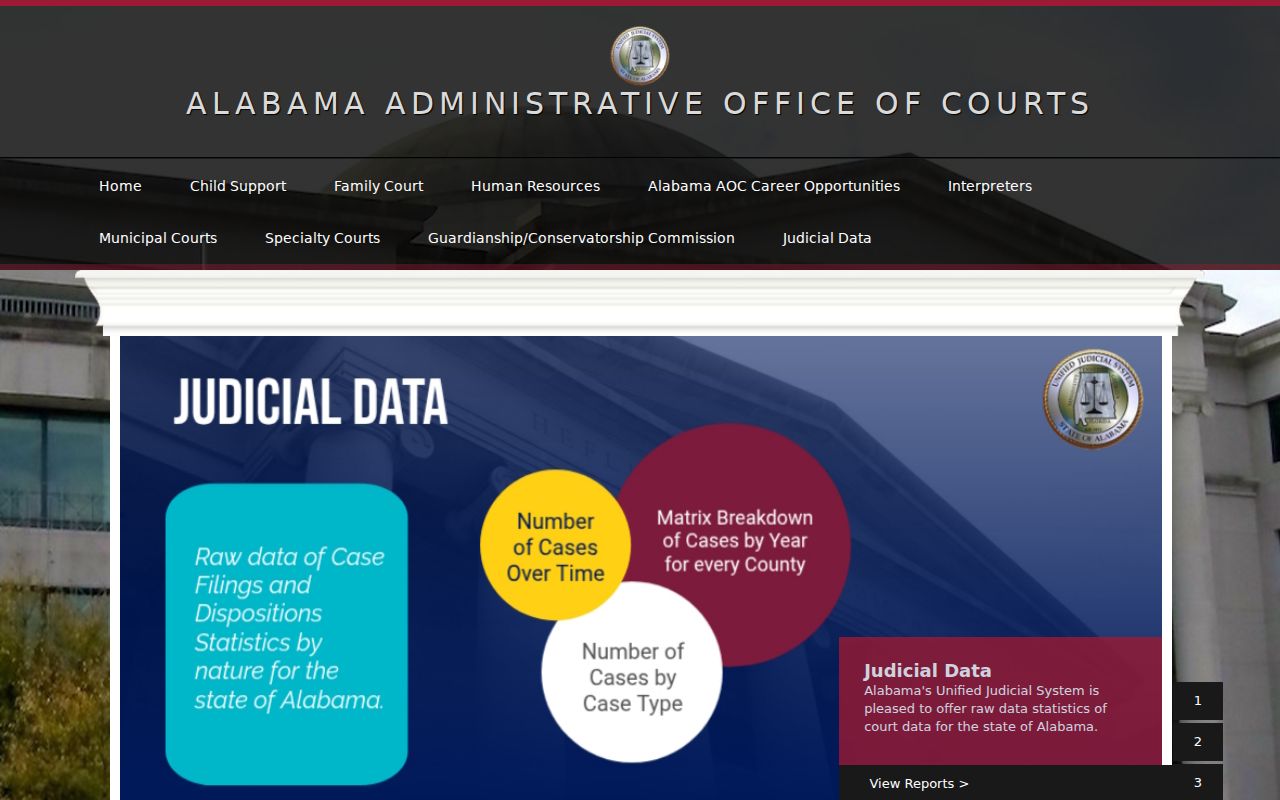
The state page is not a public, name-searchable warrant system. For a Barbour County bench warrant, the issuing clerk remains the source on the current case obligation. The Sheriff's published route applies when an arrest warrant is suspected. Note: A court portal can help locate or pay an eligible case, but it does not give the Clerk power to change a judge's date.
Bench Warrants and Arrest Warrants Compared
Both orders can put a person in custody, yet they do not begin the same way. Knowing the difference helps you ask the right office for the right process. Barbour County warrant magistrates take sworn complaint or deposition material and weigh probable cause for a new arrest warrant. A bench warrant usually grows from an existing case and a missed court duty. The official traffic page confirms that failure-to-appear path, even while calling the result a warrant for arrest.
| Feature | Bench Warrant | Complaint-Based Arrest Warrant |
|---|---|---|
| Trigger | Missed date, payment, or other court duty in an existing case | Indictment or probable-cause finding on an alleged offense |
| Decision maker | Judge controlling the existing case | Judge or neutral magistrate |
| Local evidence | Barbour District Traffic failure-to-pay and failure-to-appear warning | Barbour warrant-magistrate complaint and deposition process |
| Next step | Contact issuing court about appearance and recall process | Coordinate with court, Sheriff, counsel, and bond process if applicable |
Barbour County publishes no universal fee or bond amount for either type of order, so each case calls for direct confirmation.
Barbour County Clerks Cannot Change Warrants
Clerks keep files, not gavels. The Barbour County Circuit Clerk can point you to the right division, but the judge holds the real power. Barbour's own traffic instructions say plainly that the Clerk cannot extend payment or move a court date. The same line holds for a bench warrant in Barbour County: staff may explain the published channel and where a file stands, yet only the issuing court can recall, quash, or reset a case and set a new appearance date. Match your call to the file. Barbour County traffic in Eufaula answers at 334-687-1516. Circuit Criminal is 334-687-1515. The Clayton Clerk office posts 334-775-8366 and 334-775-8700. Eufaula Municipal Court handles city Police Department citation matters at 334-687-1235. Baker Hill's court line is 334-402-2145, and Clio posts 334-397-2090. Keep the call tight. Give your name, ticket or case number, date, and issuing agency, then ask what the court requires. Never demand that a clerk lift an order only the judge controls.
Resolving a Barbour County Bench Warrant
How a bench warrant ends depends on the issuing court and the case type. Paying may settle an eligible citation. It does not by itself recall the warrant. Nor does it restore a suspended license or end every hearing duty. Barbour County publishes no recall motion form, reinstatement fee, bench-warrant bond schedule, special walk-in docket, or amnesty event. Work in careful, documented steps, and keep written records of each answer.
- Gather the ticket, summons, case number, court date, and name of the issuing police agency.
- Call the court clerk to confirm the court division and ask whether payment, a court appearance, or a judge's order is required.
- Consult an attorney before a voluntary appearance when the warrant, custody, bond, or underlying charge is uncertain.
- Follow the issuing court's instructions for payment, appearance, or a request to recall or quash the order.
- Keep receipts and court documents, then confirm the resulting case and warrant status with that clerk.
Do not assume: Payment, a portal receipt, or removal from a screen is not proof that a Barbour County bench warrant was recalled.
Payment Is Not Barbour County Warrant Recall
Barbour District Court accepts several official payment methods. In person, pay with cash, a money order, a cashier's check, Visa, or MasterCard, and cards carry a four percent convenience cost. Mail must be a money order or cashier's check. Personal and company checks are not accepted. Some listed charges cannot be paid off and require a court appearance. That describes citation disposition only. None of it works as a general bench-warrant cure in Barbour County. The AOC trial-court access explanation describes Alacourt as subscription, read-only access and Just One Look as case-by-case access.
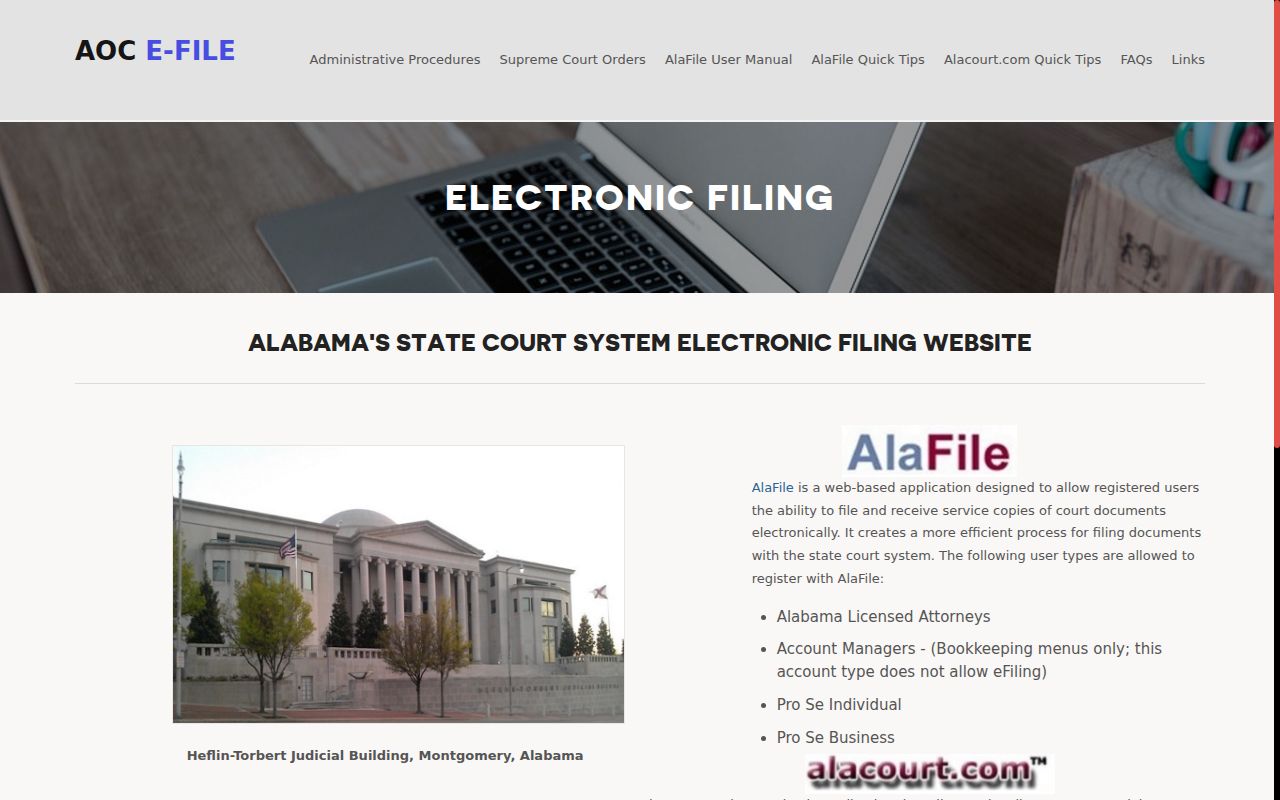
That state record path helps when you already know the trial-court file, though fees apply. It is no promise of a full bench-warrant lookup. It will not change a status by itself. After any payment, contact the issuing clerk in Barbour County, keep the receipt, and ask whether the warrant, court date, bond, and license-related consequences have each been addressed.
Finding the Court That Issued the Warrant
Jurisdiction is the key to any Barbour County bench warrant. State Trooper and County Deputy traffic citations generally route to Barbour County District Court. Eufaula Police Department misdemeanor traffic, non-traffic, and ordinance cases inside city limits route to Eufaula Municipal Court. Baker Hill and Clio keep separate ticket and case portals. Clayton Municipal Court appears in official court reporting but posts no standalone search portal of its own. Louisville directs ticket questions to Barbour County Court.
| Court or Office | Verified Scope | Public Route |
|---|---|---|
| Barbour District Court | County, deputy, and trooper traffic; lower criminal matters | Traffic Clerk and official Traffic Service Center |
| Barbour Circuit Court | Felony and general-jurisdiction cases | Circuit Criminal Clerk and court-file access |
| Eufaula Municipal Court | Eufaula Police city misdemeanors and ordinances | Magistrate's Office and Eufaula portal |
| Baker Hill or Clio Municipal Court | Each city's municipal ticket and case matters | Own clerk and ticket portal |
The Sheriff may serve the warrant, but only the issuing court can recall it. For the full checking sequence, use the Barbour County warrant lookup.
Barbour County Bench-Warrant Consequences
Barbour's traffic warning lists four things that can follow a missed disposition or a missed appearance. A warrant may issue for arrest. ALEA may suspend the driver license. The fine may rise, and any posted bond may be forfeited. All four can happen without further notice when the signed plea and correct payment do not reach the Clerk before the trial date, though the warning does not promise that all four strike every case or publish the timing and cure for each.
- Failure to appear
- Not attending the set court date; Barbour's traffic page ties it to a possible arrest warrant and other consequences.
- Bond forfeiture
- Loss of a bond already posted after failure to meet the court obligation; no countywide bond schedule is published.
- Recall or quash
- A court withdrawal or setting aside of a warrant; no Barbour form or local fee was located.
- Reset or continuance
- A change to a court date that a judge, not the Clerk, must control under the local traffic instructions.
Ask the court about each consequence by name. Clearing one administrative issue does not prove the Barbour County bench warrant and its underlying case are both closed.